


Trusted by Contractors & Homeowners
Professional Tile Roof Waterproofing Services
Protect your home from hidden leaks and water damage without removing your entire roof.
Tile Roof Leaks Start Where You Can’t See Them


Not Temporary Fixes
Stop Leaks Without Removing Your Roof
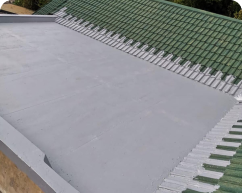
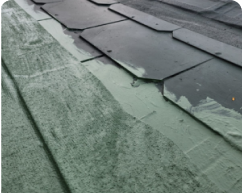
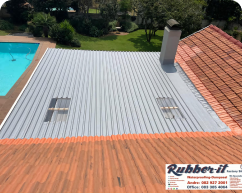
At Rubber It, we provide advanced waterproofing systems designed to protect your roof where it matters most. Our process seals vulnerable areas, safeguards the underlayment, prevents water ingress, and helps extend the overall lifespan of your roof. We focus on effective, long-term solutions without unnecessary roof removal or temporary fixes.

Proper surface preparation

Professional-grade materials

Long-term protection

Seamless application systems
Our Work


Suitable for All Roofs
Our waterproofing solutions are ideal for:
Customer Success Stories
Frequently Asked Questions
Why is my tile roof leaking if the tiles look fine?
Leaks usually come from the underlayment or gaps — not the tiles themselves.
Do you need to remove all tiles to waterproof the roof?
No. In most cases, we waterproof critical areas without removing the entire roof.
Can broken tiles cause leaks?
Yes, even small cracks can allow water to enter and spread underneath.
How long does tile roof waterproofing last?
Our systems are designed for long-term durability and weather resistance.
Is this better than replacing the roof?
In many cases, yes — it’s more cost-effective and less disruptive.